Czech culture is a rich tapestry woven from its historical roots, regional diversity, and the resilience of its people. Situated in the heart of Europe, the Czech Republic is renowned for its architectural marvels, classical music, hearty cuisine, and centuries-old traditions. This article explores the vibrant culture, intriguing customs, and unique traditions that define the Czech way of life.
Historical and Cultural Overview
The Czech Republic, historically known as Bohemia, is steeped in history that spans from the Great Moravian Empire to the present-day parliamentary democracy. The nation’s strategic location has made it a crossroads of European culture, with influences from German, Austrian, and Slavic traditions. Prague, the capital city, is often called the “City of a Hundred Spires” and is a UNESCO World Heritage Site, reflecting its historical and cultural significance.
Czech culture is deeply connected to its artistic legacy, especially in literature, music, and visual arts. Iconic figures like Franz Kafka, Antonín Dvořák, and Alfons Mucha have left an indelible mark on global arts and literature. The Czech language, a West Slavic tongue, is another cornerstone of national identity, enriched by its poetic and expressive nature.
Customs and Traditions
Festivals and Celebrations
Czechs celebrate a variety of festivals that blend Christian, pagan, and modern elements:
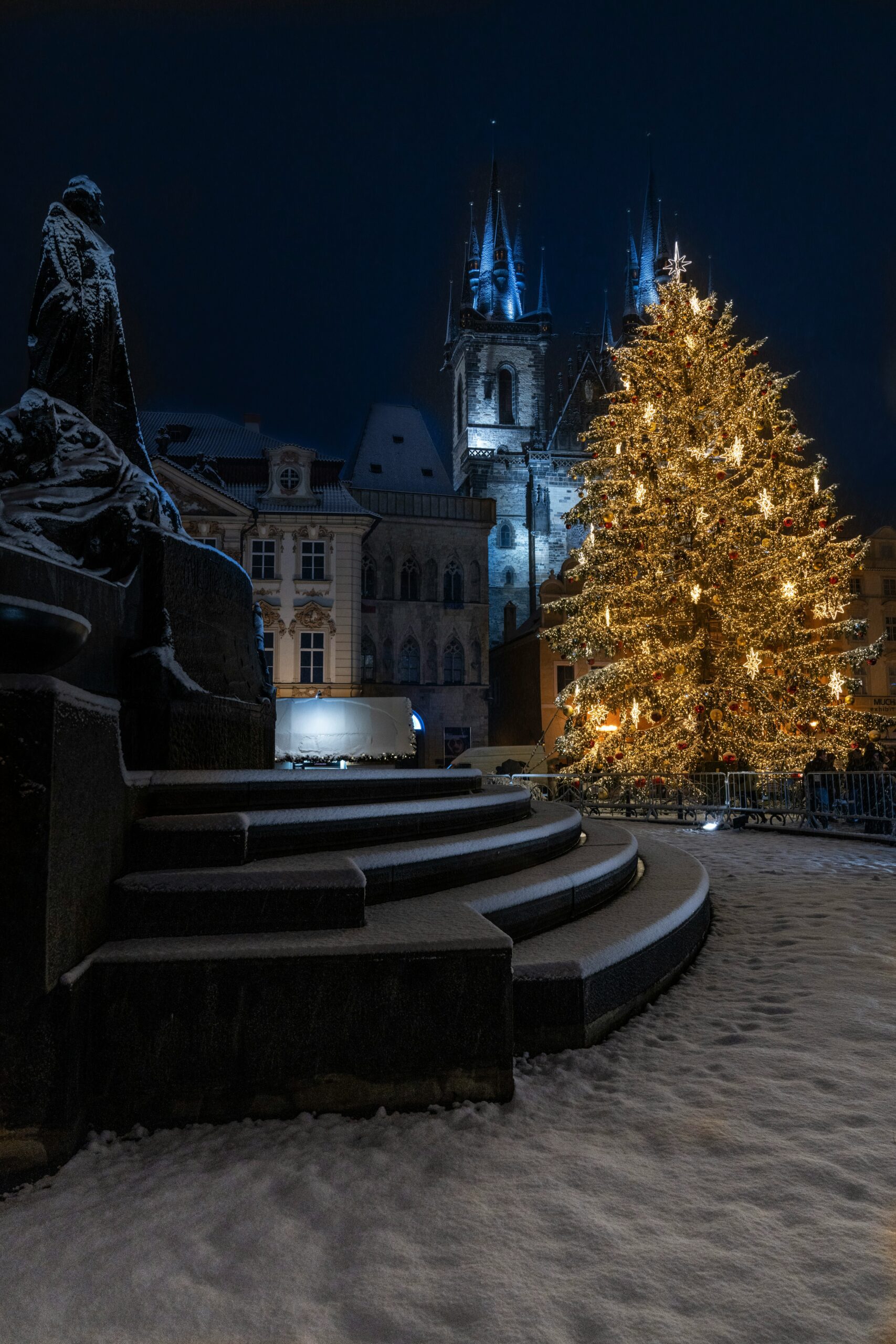
- Christmas (Vánoce): Christmas in the Czech Republic is marked by unique customs such as the carp dinner, decorating Christmas trees, and singing carols. St. Nicholas Day on December 5th also involves children receiving treats or small punishments based on their behavior.
- Easter (Velikonoce): Easter traditions include colorful egg painting (kraslice) and playful whipping with willow branches (pomlázka), a symbolic act believed to bring health and vitality.
- Masopust: This pre-Lenten carnival features parades, masked dances, and hearty feasts, reflecting the Czech love for revelry and food.
Marriage and Family Traditions
Weddings in the Czech Republic are full of symbolic rituals, such as breaking a plate for good luck and sharing soup from a single bowl to signify unity. Family life is cherished, with Sundays often reserved for family gatherings and outings.
Cultural Superstitions
Czechs hold several charming superstitions. For instance, spilling salt is considered bad luck unless it is promptly thrown over one’s shoulder. Knocking on wood is a common practice to ward off misfortune, and encountering a chimney sweep is seen as a sign of good luck.
Arts and Architecture
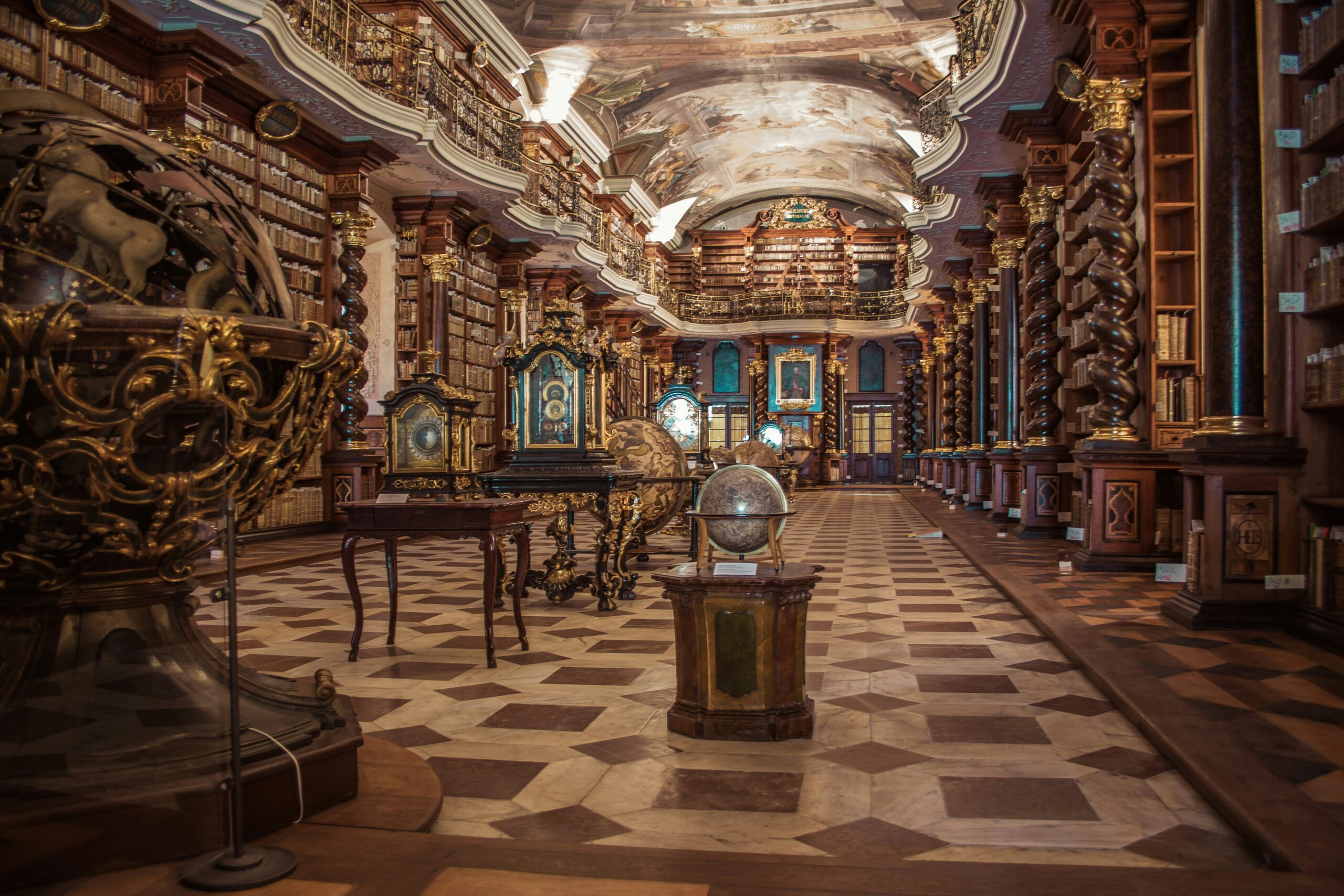
The Czech Republic boasts an unparalleled architectural heritage, ranging from Gothic cathedrals and Baroque palaces to modernist and cubist structures. Iconic landmarks include Prague Castle, Charles Bridge, and the astronomical clock in Prague’s Old Town Square.
Music holds a special place in Czech culture. Classical composers such as Dvořák and Bedřich Smetana are celebrated worldwide, while traditional folk music and dances remain an integral part of rural life. Theater and puppetry are also highly regarded, with the National Theatre in Prague serving as a beacon of Czech dramatic arts.
Cuisine
Czech cuisine is hearty and flavorful, characterized by its use of meats, potatoes, and dumplings (knedlíky). Signature dishes include:
- Svíčková: Marinated beef served with creamy vegetable sauce and bread dumplings.
- Guláš: A Czech take on goulash, often served with dumplings.
- Trdelník: A sweet pastry coated with sugar and nuts, popular in markets and festivals.
Beer is a cultural cornerstone in the Czech Republic, which boasts the highest beer consumption per capita in the world. Iconic breweries like Pilsner Urquell and Budvar have set the global standard for lager.
Modern Czech Society
Despite its deep historical roots, Czech society is progressive and forward-looking. The people value education, environmental sustainability, and technological innovation. However, they also preserve a strong connection to nature and tradition, as seen in their love for hiking, bicycle ridding, mushroom picking, and gardening.
Czechs are known for their dry humor and love of storytelling, often reflected in their literature and films. They are also ardent patrons of sports, with hockey and football (soccer) being national favorites.
Conclusion
Czech culture is a harmonious blend of history, artistry, and tradition, enriched by the contributions of its people and their enduring spirit. Whether it’s the awe-inspiring architecture, soulful music, or vibrant festivities, the Czech Republic offers a cultural experience that is both unique and unforgettable. Embracing its past while innovating for the future, the Czech Republic continues to be a cultural gem in the heart of Europe.