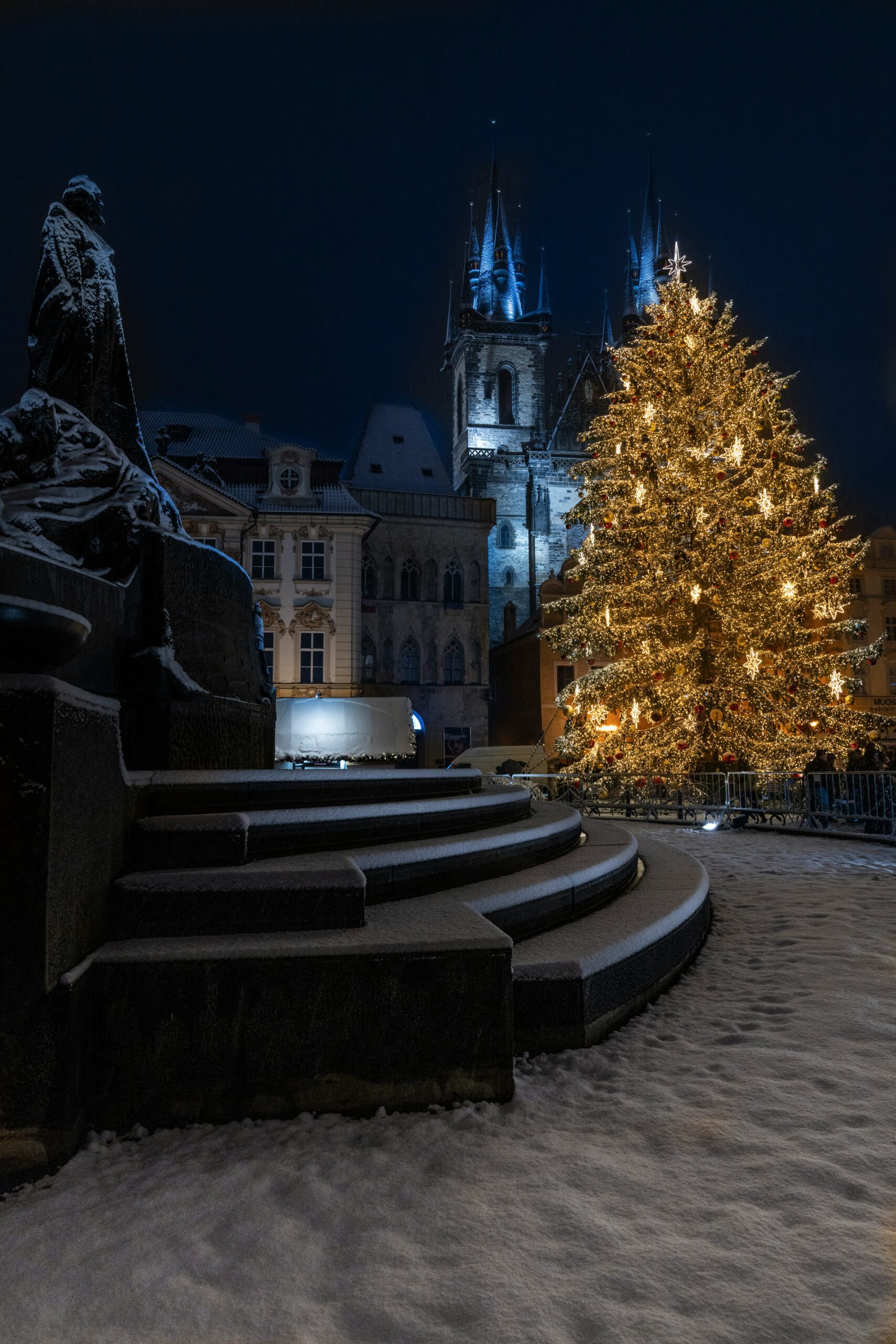
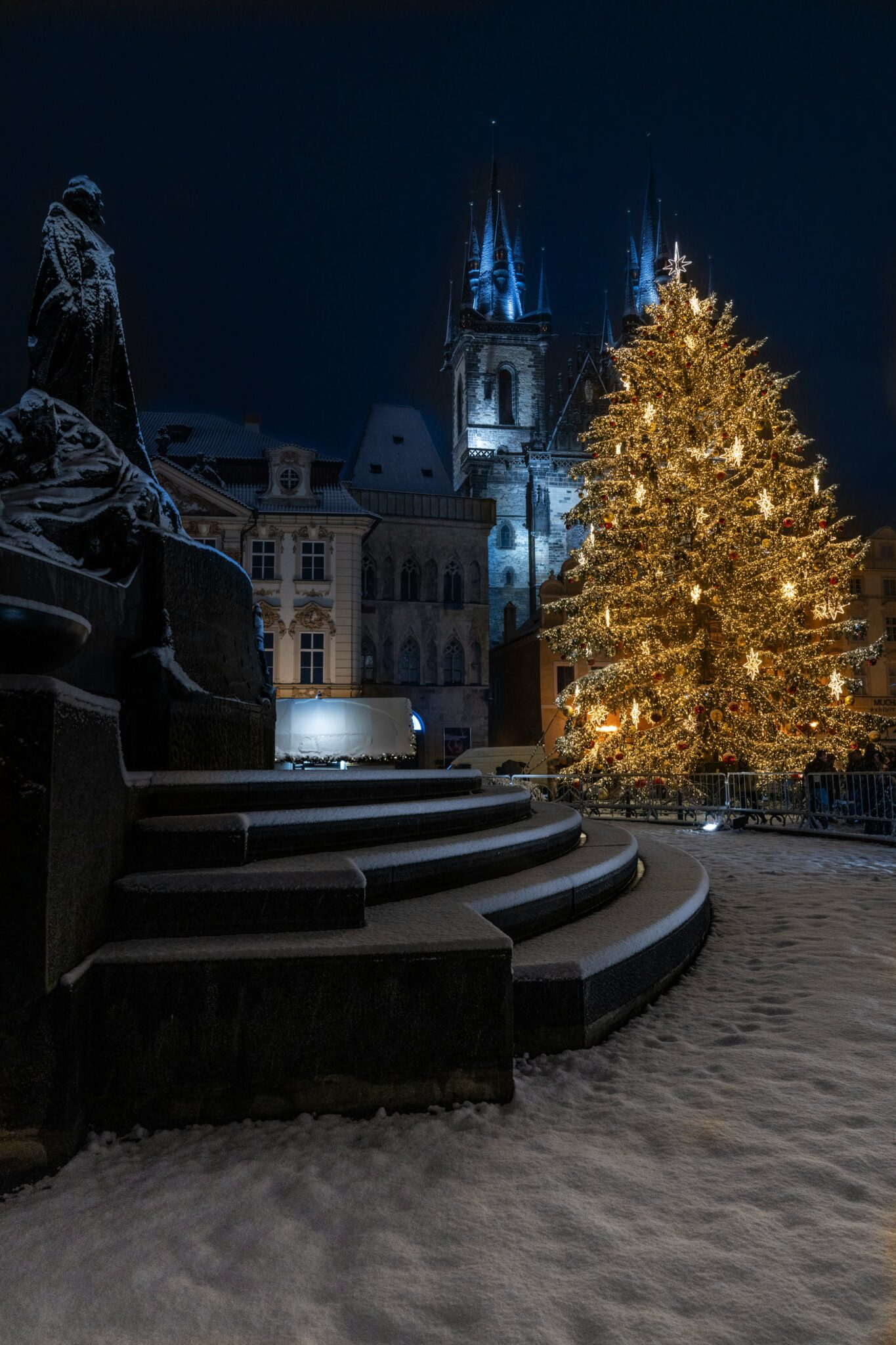
The Czech Republic observes a variety of public holidays that reflect its historical milestones, religious traditions, and cultural values. These holidays offer an opportunity for citizens to commemorate important events, enjoy time with family, and engage in traditional celebrations. Below is an overview of the public holidays celebrated in the Czech Republic.
New Year’s Day (Den obnovy samostatného českého státu) – January 1
The year begins with a dual celebration: New Year’s Day and the Day of the Restoration of the Independent Czech State. The latter marks the peaceful dissolution of Czechoslovakia and the establishment of the Czech Republic in 1993. This day is a time for reflection and renewal.
Good Friday (Velký pátek) and Easter Monday (Velikonoční pondělí)
The Czech Republic observes Good Friday and Easter Monday as public holidays, reflecting the Christian heritage of the country. These days are part of the Easter (Velikonoce) celebrations, which include the traditional practice of painting eggs and the playful custom of pomlázka, where men symbolically “whip” women with braided willow branches for good health and fertility.
Labour Day (Svátek práce) – May 1
Labour Day is an international celebration of workers’ rights and achievements. In the Czech Republic, it is also associated with romantic traditions, such as kissing under blooming cherry trees to ensure love and happiness.
Victory Day (Den vítězství) – May 8
Victory Day commemorates the end of World War II in Europe. It is a solemn occasion to honor those who sacrificed their lives during the war and to celebrate the liberation of Czechoslovakia from Nazi occupation.
Saints Cyril and Methodius Day (Den svatých Cyrila a Metoděje) – July 5
This holiday honors Saints Cyril and Methodius, two Byzantine brothers who brought Christianity and the Glagolitic alphabet to the Slavic peoples. Their mission in the 9th century laid the foundation for the cultural and religious development of the region.
Jan Hus Day – July 6
Jan Hus Day commemorates the life and martyrdom of Jan Hus, a religious reformer who was burned at the stake in 1415 for his criticism of the Catholic Church. Hus is a symbol of Czech national pride and the struggle for religious reform.
St. Wenceslas Day (Czech Statehood Day) – September 28
This day celebrates St. Wenceslas, the patron saint of the Czech lands and a symbol of Czech statehood. It is a day for national pride and remembrance of the country’s rich history.
Independent Czechoslovak State Day – October 28
This holiday marks the establishment of Czechoslovakia in 1918 after World War I. It is a day to celebrate the country’s independence and democratic traditions.
Struggle for Freedom and Democracy Day – November 17
November 17 is a significant day in Czech history, commemorating the student demonstrations of 1939 against the Nazi occupation and the Velvet Revolution of 1989, which led to the fall of communism. It is a day to reflect on the values of freedom and democracy.
Christmas Eve, Christmas Day, and St. Stephen’s Day (Vánoce) – December 24-26
Christmas in the Czech Republic is a festive season filled with traditions. Christmas Eve is the centerpiece of the celebrations, featuring a special dinner, the decorating of the Christmas tree, and the arrival of Ježíšek (Baby Jesus), who brings presents. Christmas Day and St. Stephen’s Day are reserved for family gatherings and relaxation.
Unique Czech Traditions
Czech public holidays are often accompanied by unique customs. For example, Easter Monday’s pomlázka tradition, the romantic rituals of May 1 (kissing your partner under the blooming cherry tree), and the solemn remembrance on November 17 all highlight the country’s vibrant culture. Additionally, many holidays are marked by public events, parades, and historical reenactments.
Conclusion
Public holidays in the Czech Republic are a reflection of the nation’s identity, blending historical events, religious observances, and cultural traditions. They provide a chance for citizens to come together, honor their heritage, and celebrate their shared values.